Quartz Stone
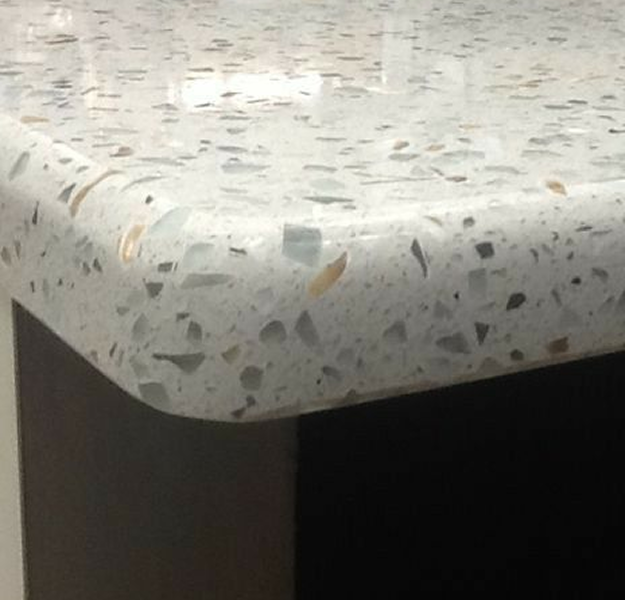
Premium Engineered Surfaces for Modern Living
Quartz stone is a man-made, non-porous surface composed of natural quartz crystals (90–95%) combined with resins, polymers, and pigments. It offers the look of natural stone with enhanced performance, making it one of the most popular choices for countertops, walls, flooring, and more.
Key Features of Quartz Stone
- Highly Durable: Scratch, stain, and impact resistant – perfect for high-traffic areas.
- Non-Porous Surface: No sealing required. Resists mold, mildew, and bacteria – ideal for kitchens and bathrooms.
- Low Maintenance: Easy to clean with just soap and water.
- Wide Range of Colors & Patterns: Mimics natural marble, granite, and other stones with precision.
- Uniform Appearance: Unlike natural stone, engineered quartz offers consistent color and veining.
- Eco-Friendly Options: Many brands offer slabs with recycled content.
Popular Applications
- Application Area Examples
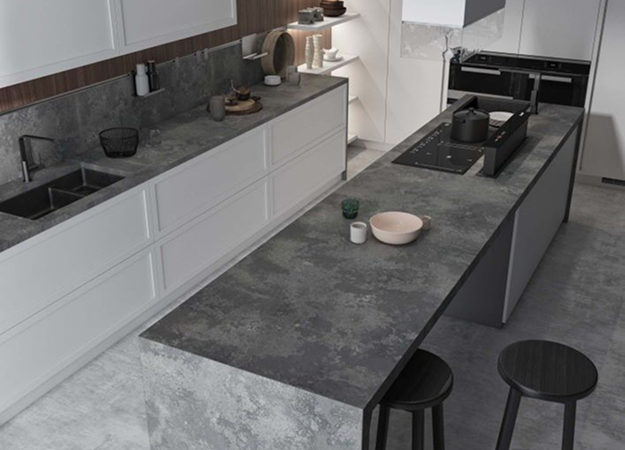
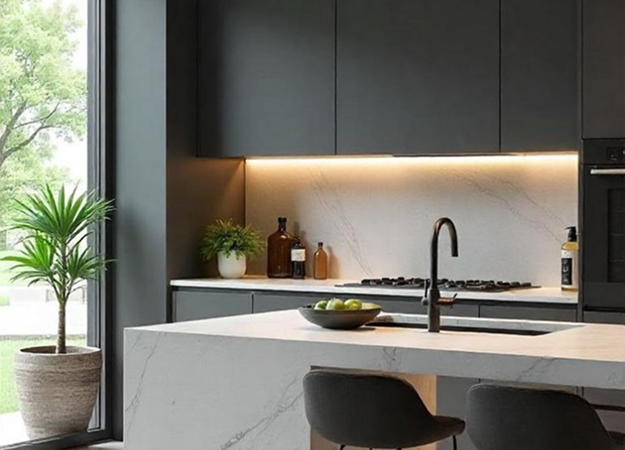
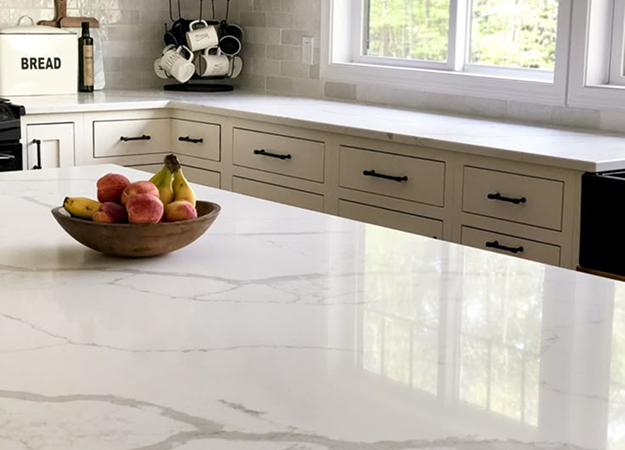
- Kitchen Countertops, backsplashes, islands
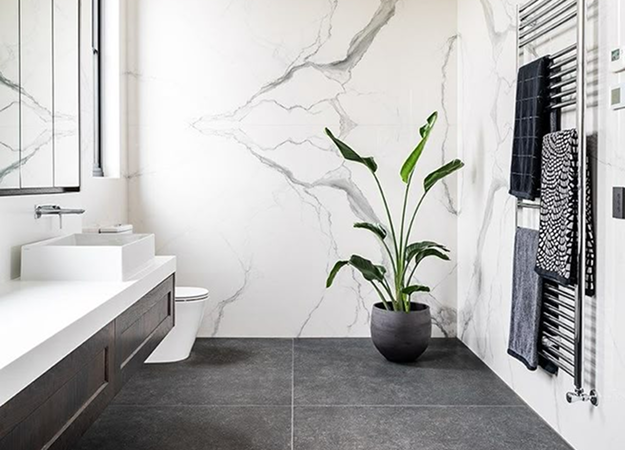
- Bathroom Vanities, shower walls, shelves
- Living Area Feature walls, flooring, tabletops
- Commercial Spaces Reception desks, wall cladding, bar tops
Technical Specifications (Typical)
- Property Value
- Quartz Content 90–95% Natural Quartz
- Water Absorption < 0.05%
- Mohs Hardness 7 (very hard)
- Flexural Strength ~30 MPa or higher
- Heat Resistance Up to 150°C (use trivets for hot pans)
- Slab Sizes Standard: 3000mm x 1400mm (varies)
- Thickness Options 12mm, 15mm, 20mm, 30mm
Design Options
- Solid Colors
- Marble-look Veins
- Granite Patterns
- Sparkling/Crystal Effects
- Concrete & Matte Finishes
- Available in polished, matte/honed, or textured finishes.
Why Choose Quartz Over Natural Stone?
- Quartz Natural Stone (e.g., Marble, Granite)
- Non-porous Porous – needs sealing
- Uniform appearance Natural variation
- Low maintenance Requires periodic care
- Stain & scratch resistant More prone to damage
Ideal For
- Homeowners seeking style and practicality
- Interior designers and architects
- Commercial property developers